

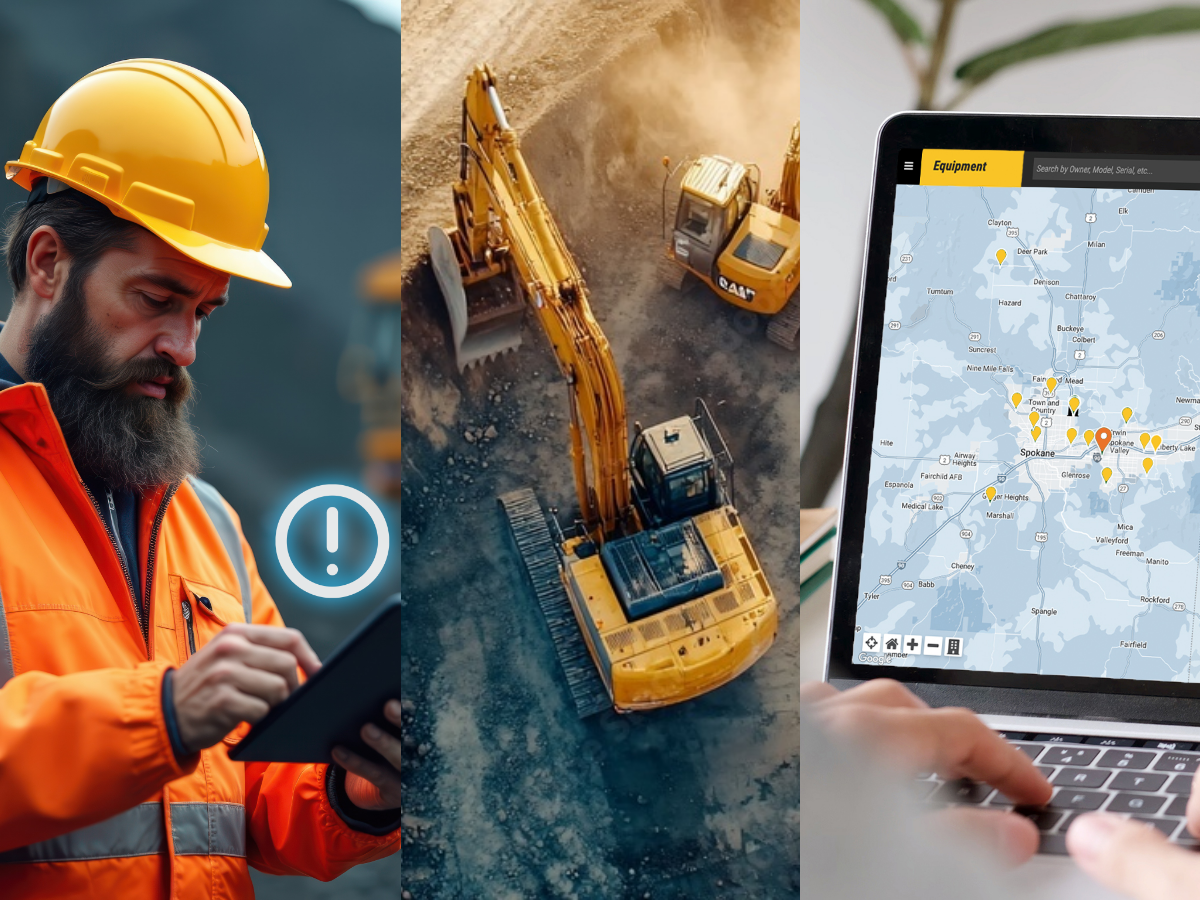
Here at Connected World, we have always said data just for data’s sake doesn’t provide any value for anyone. This is a conversation we need to be having in today’s AI (artificial intelligence)-driven world. Rather what OEMs (original-equipment manufacturers) need is that critical, rich data that comes around the IoT (Internet of Things) data. What they need is contextual data.
A 2025 Deloitte survey of 600 manufacturing executives found 80% plan to invest 20% or more of their improvement budgets in smart manufacturing initiatives, with a focus on foundational tools and technologies. These include automation hardware, data analytics, sensors, and cloud computing. Why the push for smart manufacturing? Because it will lead to improved production output, increased employee productivity, and unlocked capacity, just to name a few.
Of course, this is easier said than done. When we start talking about contextual data, it is often something OEMs have that solution providers don’t have, says Dave Moelker, CEO, Twisthink, in a recent interview on The Peggy Smedley Show. He points to the example of predictive maintenance to highlight this.
“In the world of IoT, a lot of solutions have sold on the value of this is what we can do with predictive maintenance. We have had customers in very real cases where (they) want to do predictive maintenance and (they) have this IoT data. Great! Do they have any service records? Do they have any data around what actually happened? Any data around how we can make sense of these anomalies we are seeing? … There is an anomaly off a piece of equipment, but what does that mean? What is the context around that?”
Context becomes key, and a solid strategy around data initiatives can help drive the desired outcomes in a manufacturing environment. Moelker suggests looking at it through three lenses.
- Understanding what the products and solutions need to be, which is the intersection of what the business need is and the business value being created.
- Understanding the value for the stakeholder that is being unlocked.
- Understanding what technology can ultimately help unlock.
Tying it back to business value is going to be essential to ensure people don’t just fall into the “wouldn’t it be cool if” category. Moelker says he doesn’t care about cool. He just cares about driving business value. “Just because it is cool doesn’t mean we should go collect it,” he says.
As we move forward into the next era of work, we must take careful steps to ensure we stay on track with our data initiatives. Moelker recommends two key steps to take next including:
- Assess where you are from a data perspective.
- Make sure you are engaging your stakeholders who are going to get value from these systems.
He adds to make sure it isn’t just entirely value for internal stakeholders. In manufacturing, we have an entire ecosystem of partners that must always be taken into consideration when implementing new data initiatives. But, perhaps at the end of the day, one of the key pieces will be to clearly articulate the strategy and the why to all stakeholders.
We must all move forward together if we want to get this right. “AI can accelerate, but if we accelerate in the wrong direction, we just accelerated ourselves further from the point of value,” emphasizes Moelker. “We have to make sure where we are going is the right direction for our business, for our customers, for our stakeholder network.”
For more information about Twisthink
Want to tweet about this article? Use hashtags #IoT #sustainability #AI #5G #cloud #edge #futureofwork #digitaltransformation #OEM