

Artificial intelligence is rapidly transforming how researchers approach complex global challenges, especially in healthcare and biological sciences. As innovation accelerates, institutions are increasingly leveraging AI to drive discoveries that can improve human health and societal well-being.
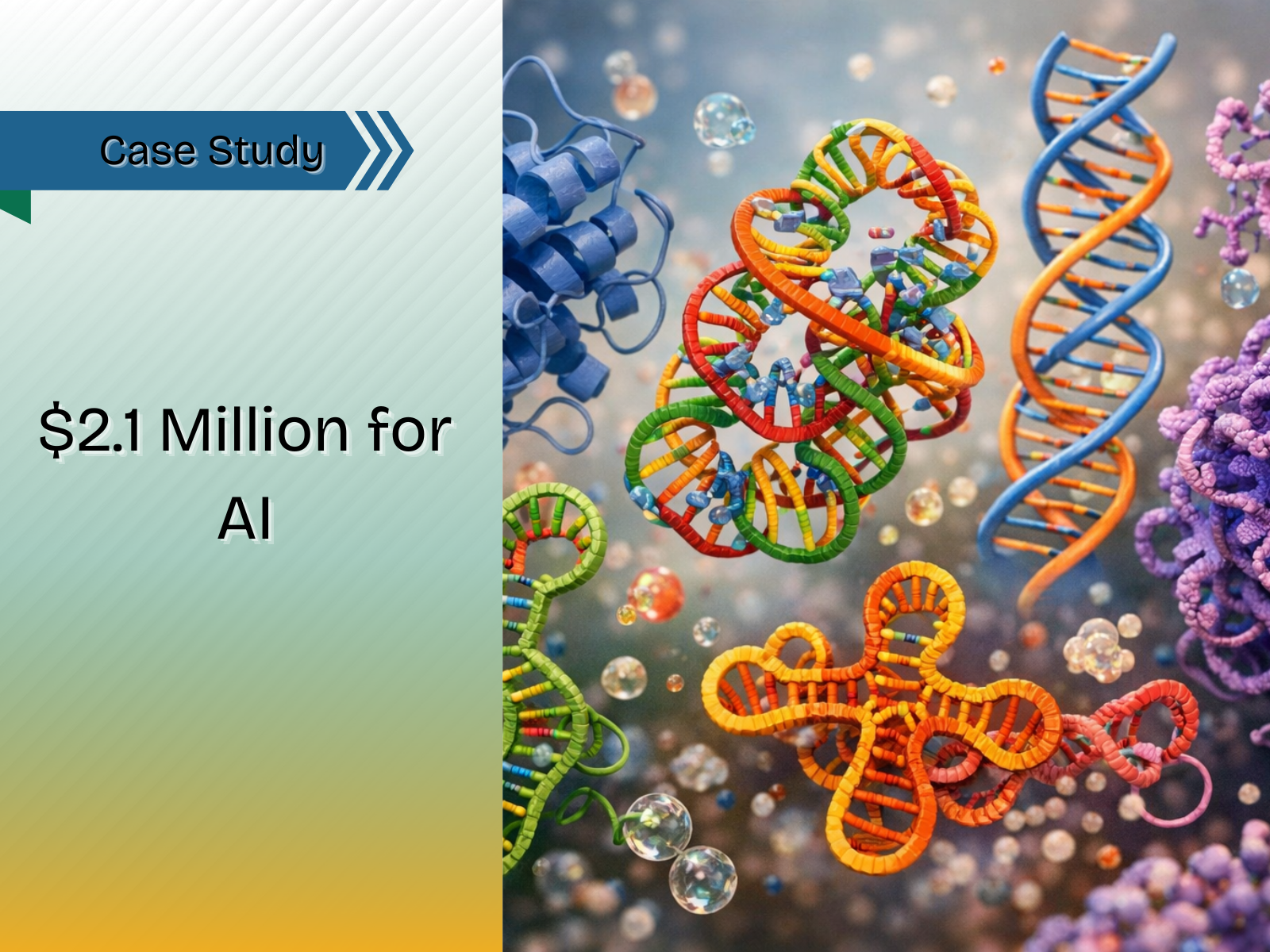
As one example, Virginia Tech has announced Debswapna Bhattacharya has received a five-year, $2.1 million award from the National Institutes of Health. This funding will support the development of advanced AI methods to map proteins and RNA structures in three dimensions—an effort that can accelerate disease understanding and treatment discovery.
Where this gets especially innovative is the use of AI to analyze complex biological data at scale, enabling researchers to uncover patterns and insights that would be difficult or impossible to detect through traditional methods. By improving how scientists visualize molecular structures, these tools can significantly speed up breakthroughs in medicine and biotechnology.
Here is how this can help:
- Enable faster discovery of disease mechanisms and potential treatments.
- Enhance collaboration between computer science and life sciences.
- Support the development of scalable, AI-driven research tools for public good.
Looking to the future, we are going to see continued growth in AI-driven research across healthcare, environmental science, and beyond. Initiatives aligned with “AI for good” are expected to play a critical role in solving global challenges—ranging from improving patient outcomes to advancing sustainable development.
As these technologies evolve, ongoing investment and interdisciplinary collaboration will be essential to fully realize their impact.