

The construction industry is approaching a turning point. Rising costs, persistent labor shortages, housing affordability challenges, and growing demand for resilient communities are forcing builders, developers, and policymakers to rethink how homes are designed, manufactured, and delivered.
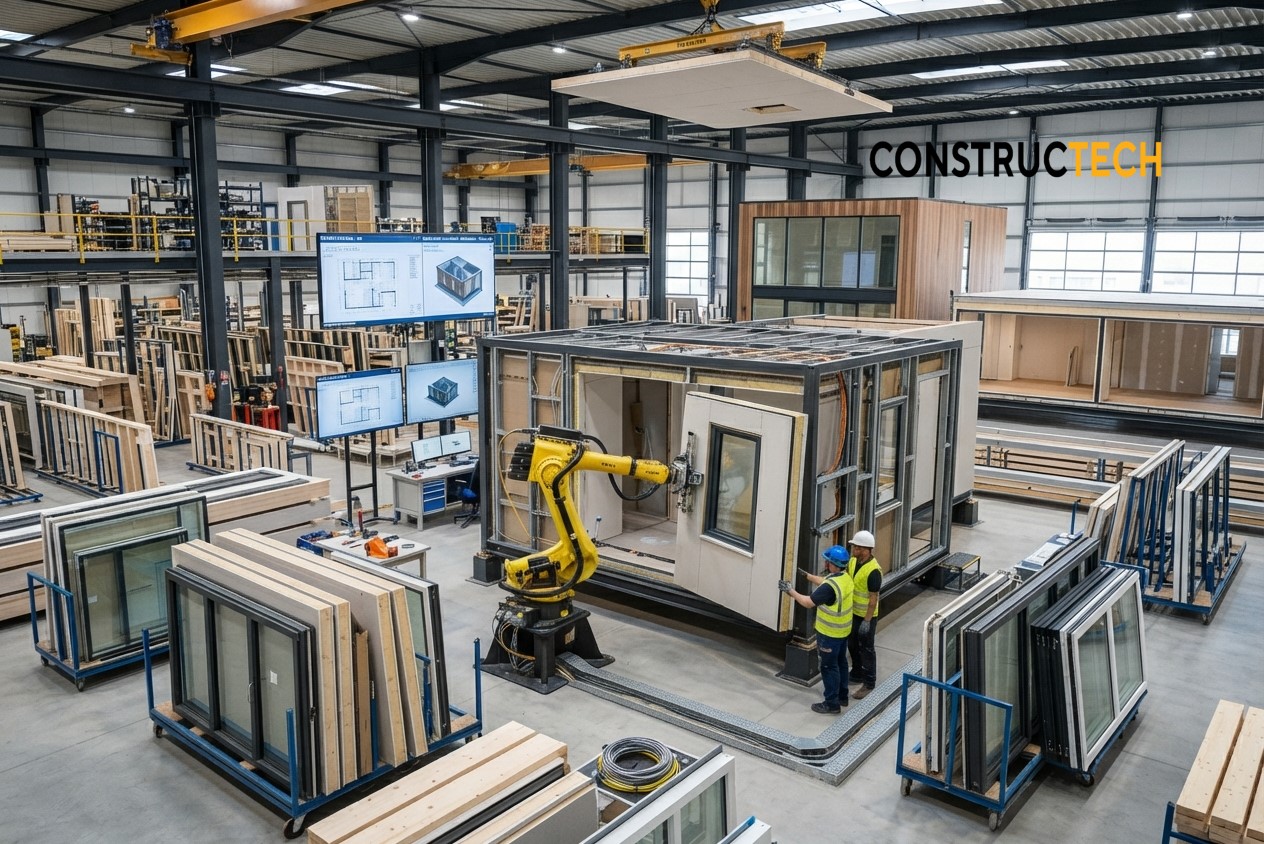
One of the most significant trends gaining momentum is the industrialization of construction. Traditional building practices often dependent on sequential on-site labor, fragmented supply chains, and unpredictable schedules—and they are increasingly difficult to sustain in today’s economic environment. Factory-built construction, modular design, prefabrication, automation, and 3D printing are emerging as alternatives.
This shift signals a fundamental change in the construction business model. By moving more of the building process into controlled manufacturing environments, companies can improve production consistency, reduce material waste, better manage labor, and gain greater control over project timelines. Digital design and automated fabrication also create opportunities to standardize components while maintaining flexibility in architectural design.
The market opportunity is substantial. Housing shortages are not simply a consequence of insufficient demand or available land. They are also a reflection of an industry struggling to produce housing efficiently and affordably. According to the U.S. Government Accountability Office, emerging construction technologies could help improve productivity, reduce costs, and increase housing supply. However, regulatory fragmentation, financing challenges, and workforce training remain significant barriers to broader adoption.
Resilience is another important market driver. As communities confront increasingly expensive disaster recovery efforts, the ability to rebuild quickly is becoming a priority. Factory-based production offers an opportunity to reduce some of the delays associated with conventional construction.
Consider Azure Printed Homes’ recent Altadena recovery project. The company manufactured modules for a home and accessory dwelling unit in 90 days, reporting a cost approximately 30% below a traditional contractor’s quote. It offers a glimpse of what a different construction model could accomplish.
Still, technology alone will not transform the market. Financing, building codes, insurance, workforce development, and scalable manufacturing capacity must evolve alongside innovation.
The companies positioned to lead will be those that understand construction is becoming a manufacturing and technology business as much as a building business.
The future of housing will depend on the construction industry’s ability to build smarter, faster, and more affordably. The opportunity is here. Now the industry must decide how quickly it is willing to embrace it.
Want to tweet about this article? Use hashtags #construction #IoT #sustainability #AI #5G #cloud #edge #futureofwork #infrastructure #housing