
As the demand for reliable electricity continues to grow, power grid innovation is becoming increasingly important. With electric vehicles, renewable energy systems, and connected technologies placing new demands on the grid, researchers are finding new ways to improve reliability and prepare for future challenges.
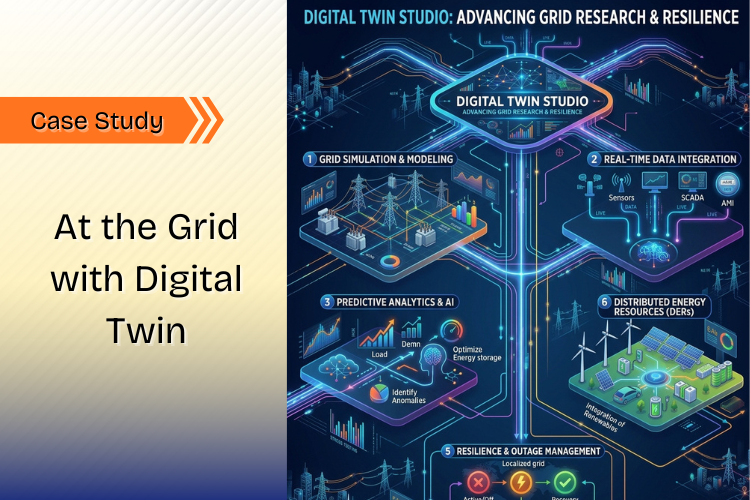
One example comes out of Stony Brook University in New York, which is developing a new Digital Twin Studio to advance power grid research and resilience. The studio will create virtual models of electrical distribution systems, allowing researchers, students, utilities, and public agencies to test how the grid might respond to extreme weather, outages, equipment failures, and changing energy demands, all before making changes to physical infrastructure.
Here is how this can help:
- Improve grid reliability by identifying potential equipment issues and prioritizing maintenance.
- Support the development of new technologies through virtual testing and real-world data.
- Help prepare for increased electricity demand from electrification and renewable energy.
- Create opportunities for workforce development in engineering, AI (artificial intelligence), data analytics, and cybersecurity.
Looking to the future, digital twin technology could play an important role in building a more resilient energy infrastructure. As manufacturing facilities become more electrified and energy demands continue to evolve, tools that help predict problems and improve system performance will become increasingly valuable. We will certainly keep an eye on how these innovations help power the next generation of manufacturing.