
As sustainability initiatives continue to grow across universities and research institutions, campuses are becoming real-world laboratories for innovation. From food systems and waste reduction to circular economies and renewable practices, organizations are finding new ways to integrate sustainability into everyday operations and long-term research efforts.
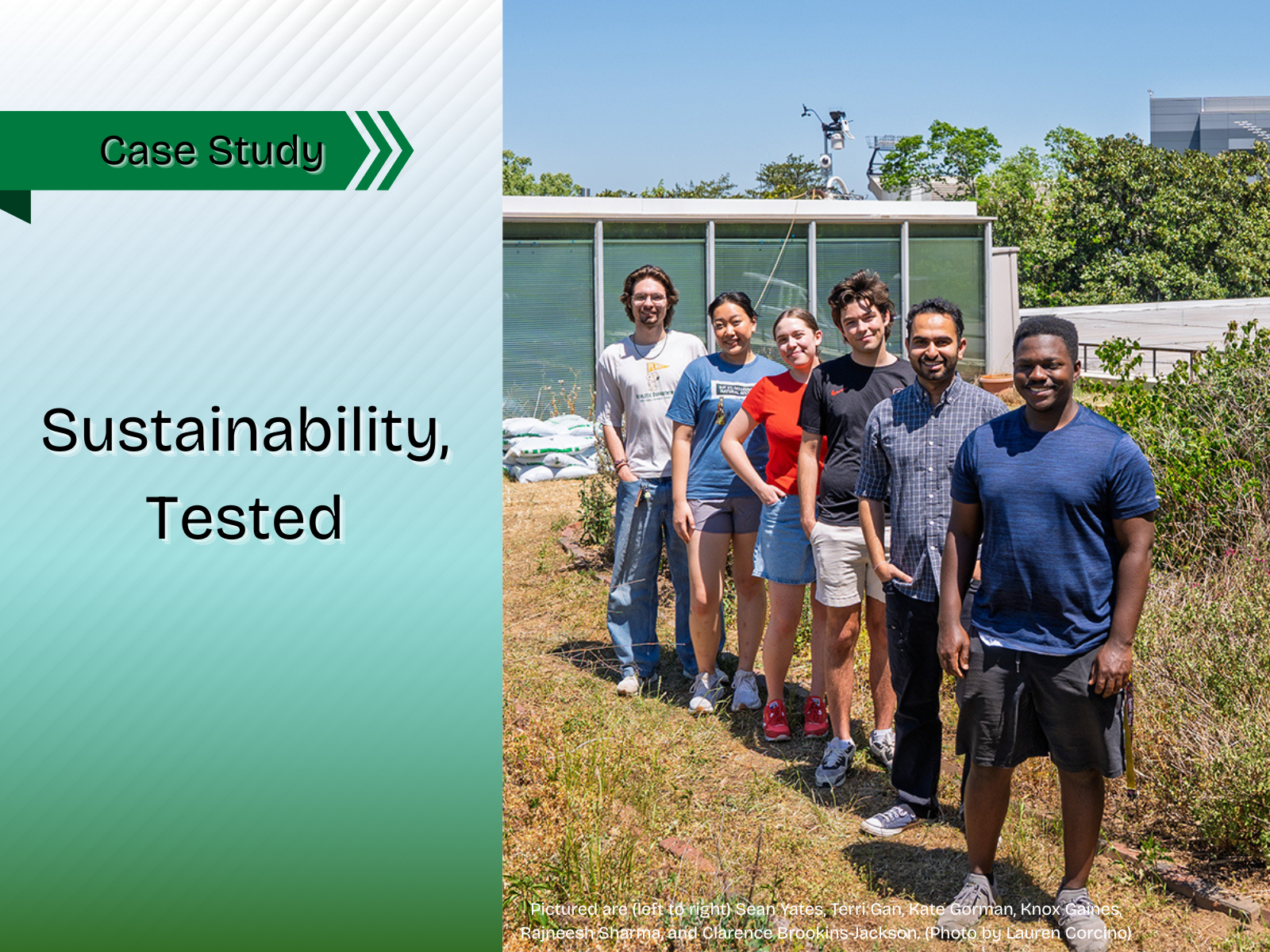
As one example, the University of Georgia has transformed portions of its campus into a “living laboratory” where students, faculty, and researchers collaborate on sustainability-focused projects. Through initiatives such as green roof agriculture, textile recycling, food sustainability programs, and waste reduction research, the University of Georgia is creating hands-on opportunities to test and implement practical environmental solutions.
What makes this especially innovative is the interdisciplinary nature of the work. Researchers across engineering, agriculture, environmental science, and design are partnering to develop scalable solutions that address real-world sustainability challenges. Programs like UGArden, circular plastics research, and textile repurposing initiatives are helping demonstrate how campuses can serve as models for sustainable operations and community engagement.
Here is how this can help:
- Create opportunities for research and workforce development in sustainability, engineering, and environmental systems.
- Encourage innovative approaches to recycling, circular economies, and resource management.
- Support the development of sustainable production and agriculture practices.
Looking to the future, we will continue to see sustainability integrated into research. Universities and innovation centers like the University of Georgia are helping shape the next generation of sustainable technologies and processes, demonstrating how collaboration and applied research can drive meaningful environmental progress.