
Technology continues to transform agriculture, as farmers and researchers look for new ways to protect crops, improve efficiency, and reduce losses. As a result, we are seeing the rise of sensors and other advanced technologies that can provide farmers with valuable information before problems become widespread.
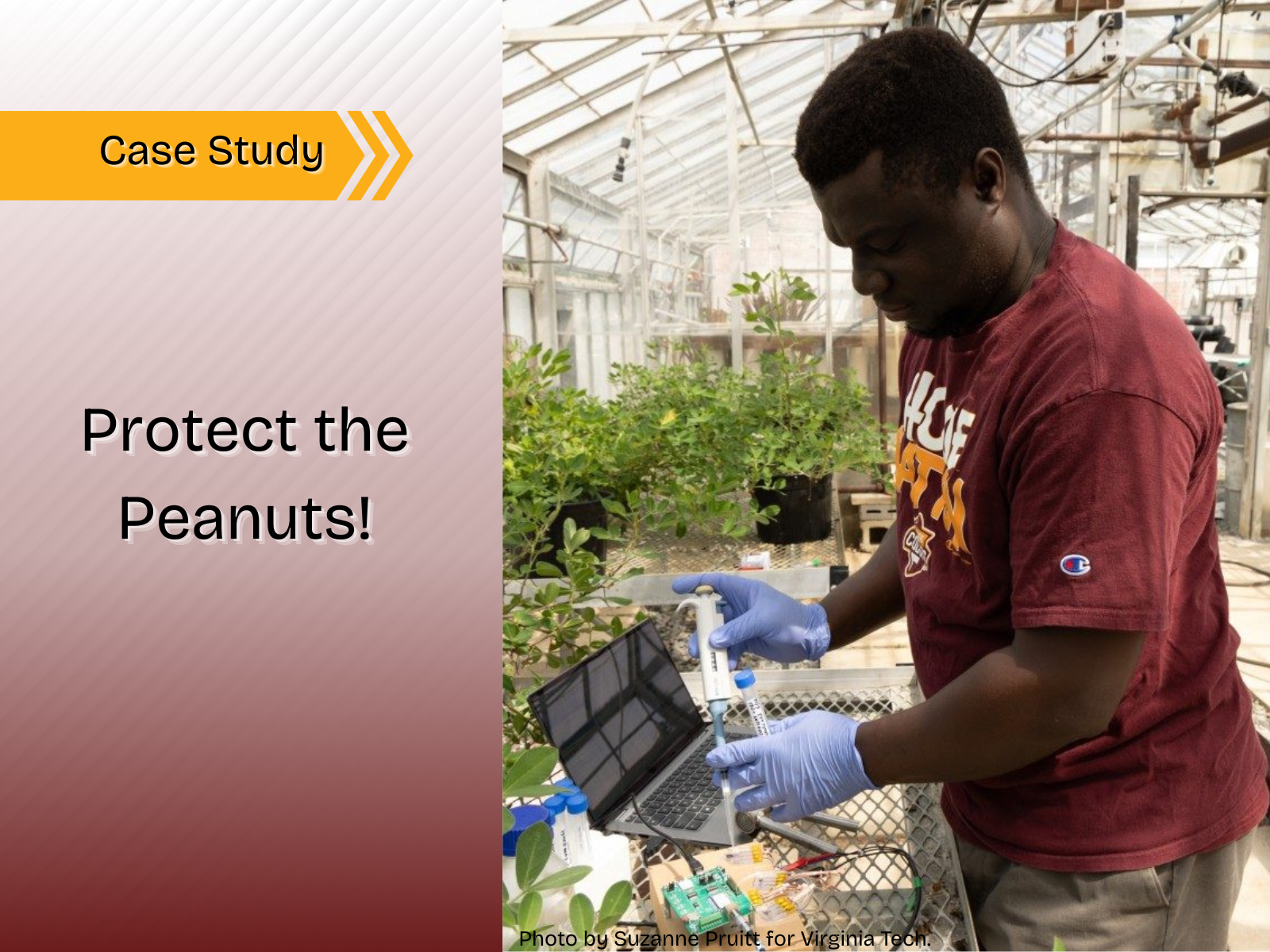
As one example, researchers at Virginia Tech are using sensors to help detect the early signs of Sclerotinia blight, a fungal disease that can severely damage peanut crops. In recent years, severe outbreaks have caused up to a 50% yield loss. By identifying changes in plants before the disease becomes more difficult to control, this technology could give farmers an important tool to protect their crops and make more informed decisions.
Here is how this can help:
- Early detection could be the difference between a healthy peanut crop and an outbreak of Sclerotinia blight.
- Prevent the spread with sensors that can detect early infection.
- Minimize the need for time-consuming physical inspections to detect the fungus.
Looking to the future, we are going to see technology play an even greater role in agriculture—and sensors, equipment, and systems will make these innovations possible. As agricultural technology continues to advance, we will certainly keep an eye on how sensors, data, and automation can help create a more efficient and resilient food supply.