

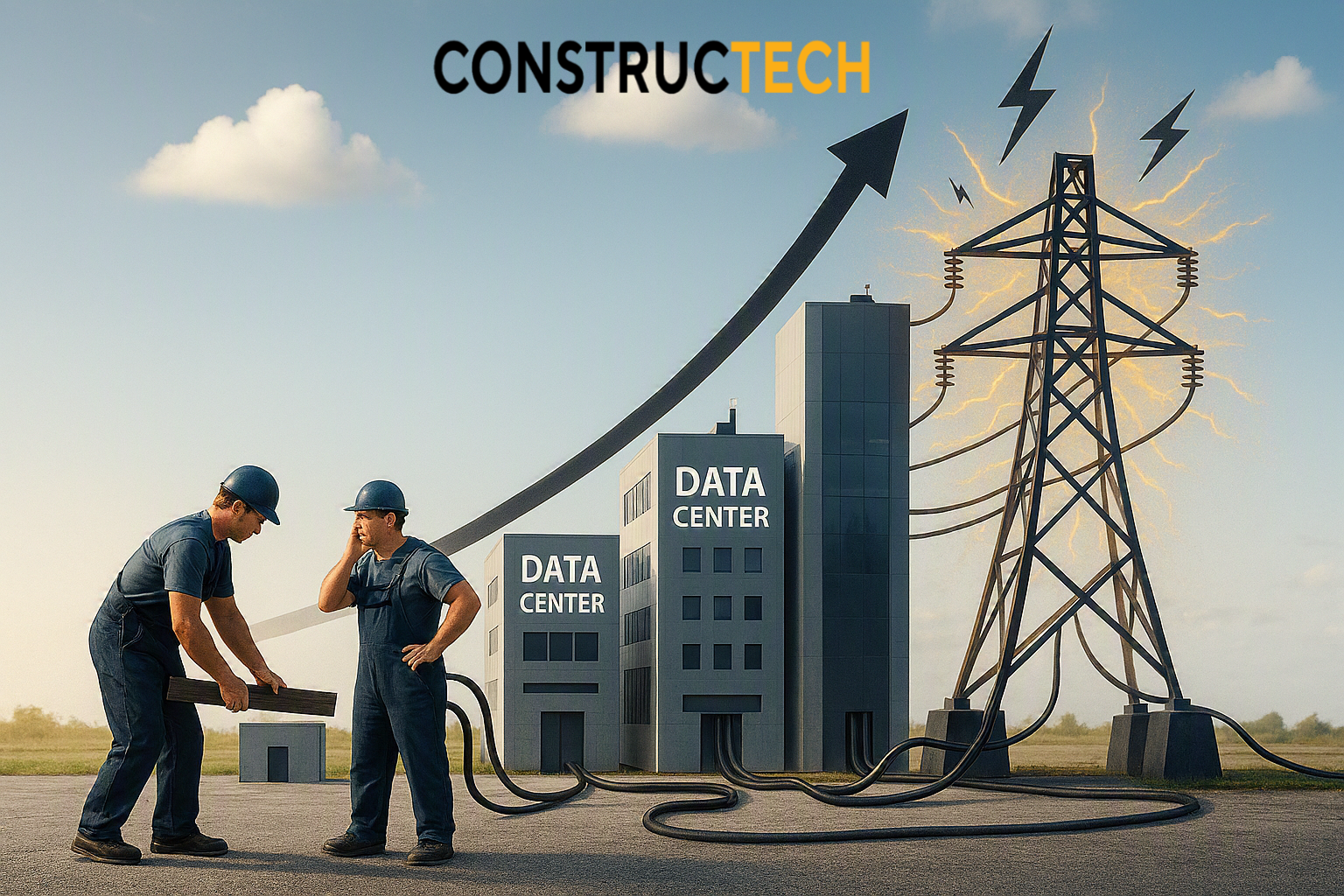
Data centers and AI (artificial intelligence) are fueling one of the largest infrastructure shifts we have seen in decades. While much of the conversation centers on computing power and innovation, a bigger story is emerging behind the scenes—one that involves electricity, water, and the critical infrastructure needed to support the evolution of technology.
The reality is simple: Data centers are growing at an unprecedented pace, and our infrastructure systems must evolve just as quickly. Easier said than done, right?
Recent research from Gartner highlights the magnitude of the challenge. Global data center electricity consumption is expected to reach 565 terawatt-hours by the end of this year, representing a 26% increase from 2025 levels. Meanwhile, worldwide data-center power demand is projected to rise from 104 gigawatts in 2025 to 132 gigawatts in 2026, with forecasts reaching 290 gigawatts by 2030. AI-optimized servers are driving much of this growth and are expected to consume more power than conventional servers by 2027.
These numbers should get the attention of every utility, municipality, infrastructure owner, contractor, and business leader. For years, discussions about digital transformation focused on software, cloud computing, and connectivity. Today, the conversation has shifted. The limiting factor for AI growth is increasingly becoming physical infrastructure. Access to reliable power is now a strategic requirement for economic development and technological competitiveness.
Yet electricity is only part of the equation. As data centers grow, so does demand for water. Cooling systems remain essential for maintaining performance and reliability in high-density computing environments. In many regions, communities are already grappling with aging water infrastructure, supply constraints, and growing regulatory pressures.
The latest Black & Veatch 2026 Water Report paints a clear picture of the challenges ahead. Aging infrastructure remains the top concern for utilities. Funding gaps continue to widen. Confidence in serving large industrial customers has declined in recent years, while concerns about long-term water availability continue to increase. At the same time, utilities are being asked to support new economic development opportunities, including data centers, advanced manufacturing facilities, and energy-intensive industries.
This creates a convergence of challenges that cannot be solved in silos. Energy planners, water utilities, technology providers, and policymakers must begin viewing infrastructure as an interconnected ecosystem. Decisions made about data center siting, energy generation, water management, and grid modernization are no longer independent issues. They are part of a larger resilience strategy.
The good news is that innovation is creating new opportunities. Digital technologies are enabling utilities to better monitor assets, predict failures, optimize operations, and manage resources more efficiently. Advanced analytics can help forecast demand. Intelligent sensors can provide realtime visibility into water and power systems. Digital twins can help planners model future growth scenarios before investments are made. These tools provide the visibility needed to make smarter decisions and maximize existing infrastructure investments.
Still, technology alone is not enough. The next phase requires a commitment to resilient infrastructure development. This means modernizing electric grids to accommodate rising demand. It means investing in water reuse and recycling technologies. It means strengthening transmission networks, expanding distributed energy resources, and building infrastructure capable of withstanding extreme weather events and changing environmental conditions.
Perhaps most importantly, it means planning for tomorrow rather than reacting to today. Too often, infrastructure investment follows a crisis. We wait until systems become stressed before taking action. The data center boom provides an opportunity to change that mindset. We already know demand is coming. We already understand many of the challenges. The question is whether we will make the investments necessary to stay ahead of them.
The future will belong to communities and organizations that recognize the relationship between digital growth and physical infrastructure. AI, cloud computing, and data-driven innovation will continue to accelerate. That trajectory is unlikely to slow.
What must change is how we prepare for it. Building resilient infrastructure is no longer a long-term aspiration. It is a near-term necessity. The organizations that invest today in reliable power systems, sustainable water resources, digital intelligence, and integrated planning will be best positioned to support economic growth and technological advancement for decades to come.
The data centers of the future may be digital assets, but the foundation that supports them is decidedly physical. The time to strengthen that foundation is now.
Want to tweet about this article? Use hashtags #construction #IoT #sustainability #AI #5G #cloud #edge #futureofwork #infrastructure