

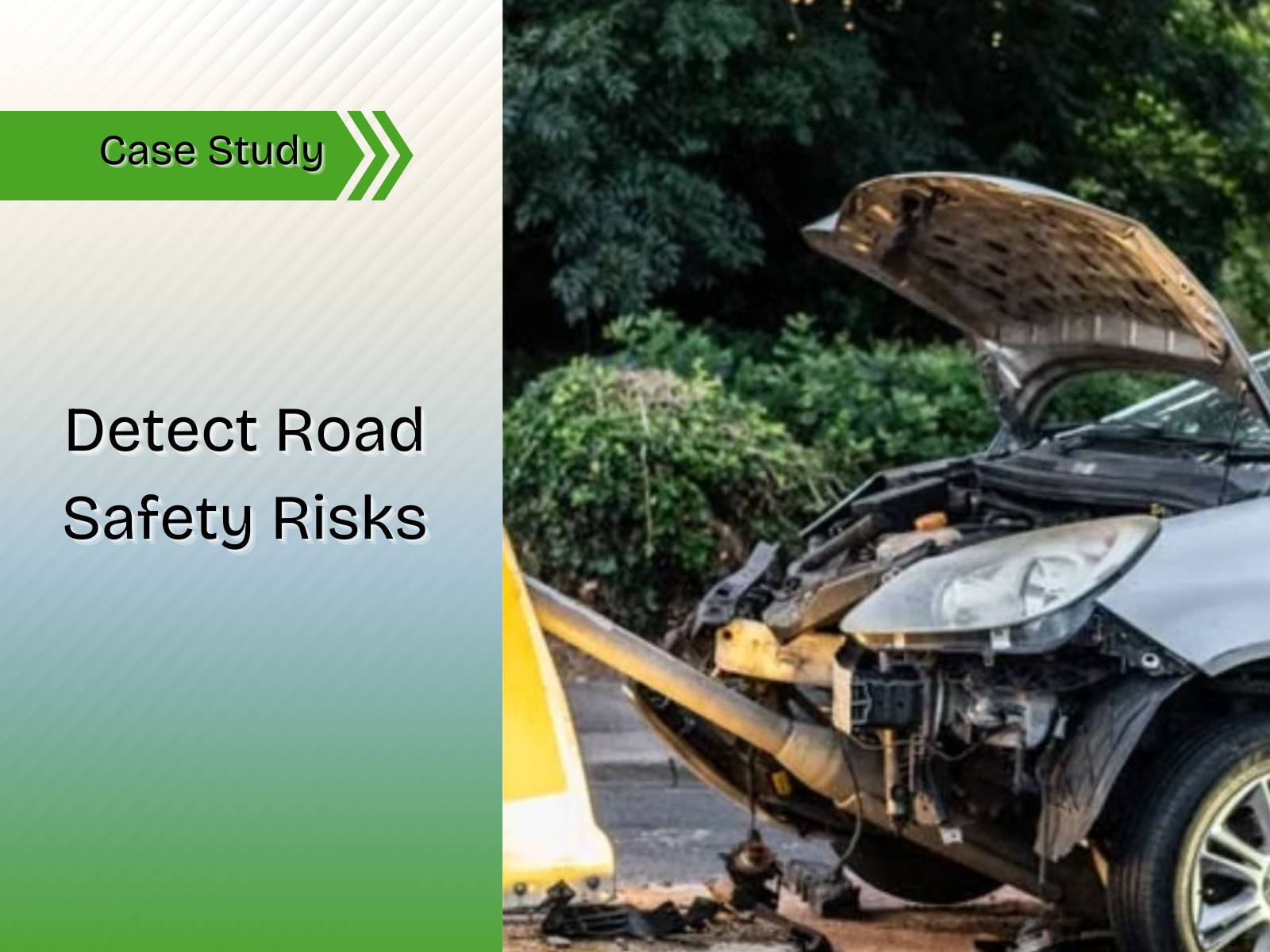
Technology is transforming transportation by helping researchers better understand why crashes happen and where safety improvements can have the greatest impact. A new research approach uses AI (artificial intelligence) to connect roadway condition data with crash reports, giving transportation agencies clearer insights into road safety risks.
Researchers at the University of Houston have developed an AI-powered method that uses large language models to analyze thousands of police crash narratives alongside roadway data, including pavement conditions, road geometry, and surface characteristics. By combining information that has traditionally been evaluated separately, the approach helps identify roadway segments where pavement conditions may contribute to higher crash risk.
Here is how this can help:
- Analyze thousands of crash reports to identify patterns linked to roadway conditions.
- Pinpoint high-risk road segments to help prioritize maintenance and safety improvements.
- Support more cost-effective infrastructure investments by directing resources where they can have the greatest safety impact.
Looking ahead, AI-driven analysis could become an increasingly valuable tool for transportation agencies, helping them make data-informed decisions that improve roadway maintenance, reduce crash risks, and enhance safety for drivers. As AI capabilities continue to advance, similar approaches may play a growing role in building smarter, safer transportation systems.